

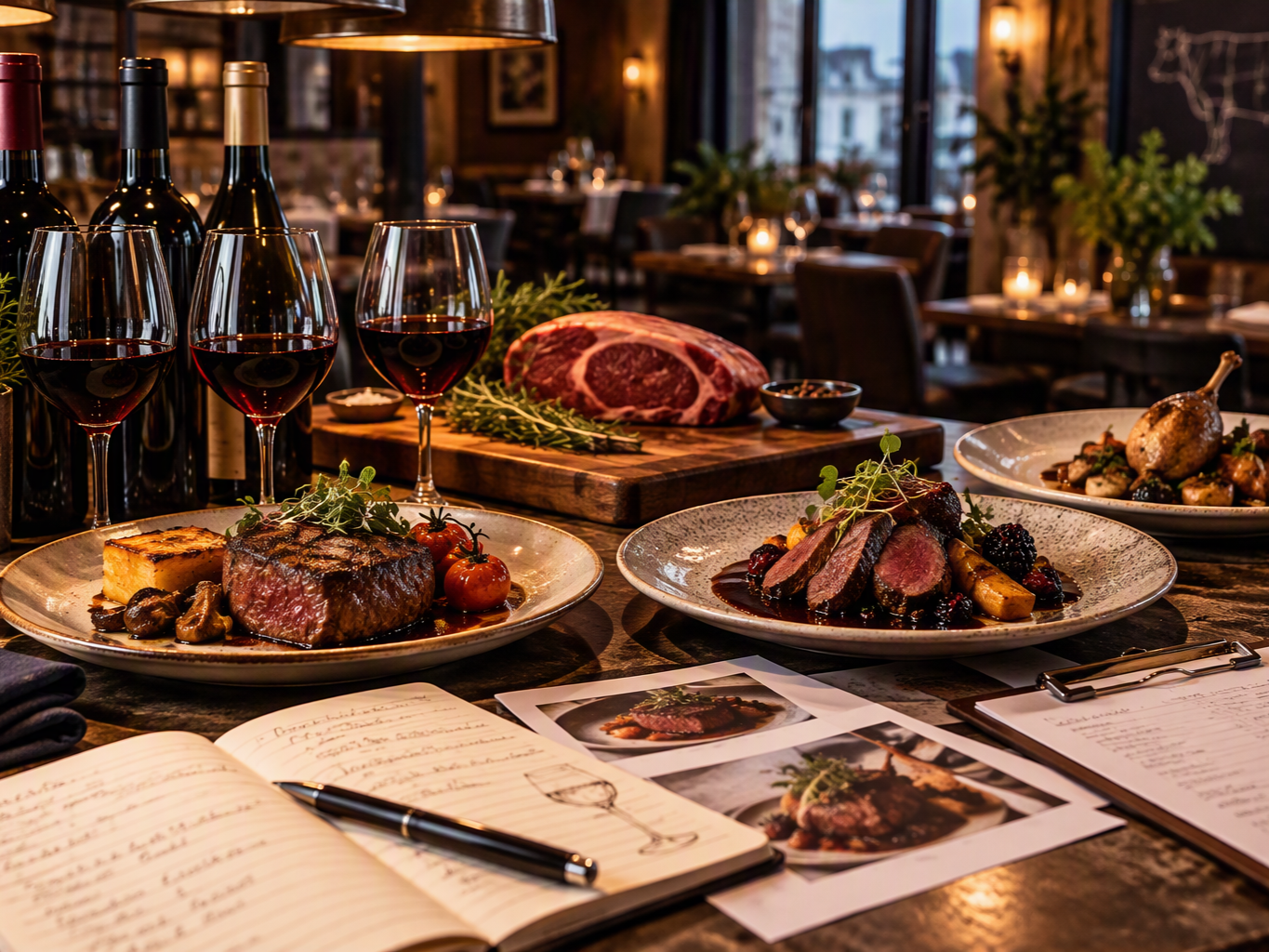
Looking for the best wine pairing for Aberdeen Angus beef? Practical advice for north-east venues pairing wines with beef, venison and game menus.
Choosing the right wine pairing for Aberdeen Angus beef isn’t about finding the most expensive red on the list. It’s about matching the weight, richness and cooking style of the dish while keeping your wine offer commercially sensible.
For independent restaurants and gastropubs across Aberdeen and Aberdeenshire, beef and game dishes often represent some of the highest-value items on the menu. They also create useful opportunities for wine sales, particularly when staff feel confident making recommendations.
Whether you’re serving Aberdeen Angus sirloin, local venison, roasted grouse or seasonal pheasant, the right wine pairing can increase guest satisfaction and support profitable trading-up opportunities.
What Makes Aberdeen Angus Beef Different?
Aberdeen Angus is prized for its marbling and depth of flavour. That richness influences wine selection.
A lightly structured wine can easily disappear alongside a well-aged ribeye, while an overly powerful red may overwhelm a more delicate beef dish.
The key is matching intensity.
Which Red Wines Work Well with Aberdeen Angus?
For many Aberdeen Angus dishes, medium to full-bodied red wines tend to perform best.
Examples include:
• Cabernet Sauvignon-led blends
• Malbec styles
• Rioja Crianza and Reserva styles
• Syrah and Shiraz styles
• Merlot-dominant blends
These styles typically offer enough structure and fruit concentration to complement richer beef dishes without dominating the plate.
A charcoal-grilled Aberdeen Angus sirloin served in a city-centre Aberdeen restaurant may suit a different wine style from a slow-braised beef dish in a rural Aberdeenshire inn.
The cooking method matters almost as much as the protein itself.
Does the Cut of Beef Change the Wine Pairing?
What Works with Fillet Steak?
Fillet offers tenderness rather than intensity.
This often allows slightly more elegant red wines to shine.
Good options include:
• Softer Merlot-based wines
• Pinot Noir styles with more concentration
• Medium-bodied Rioja styles
These wines support the dish without overwhelming it.
What About Ribeye and Sirloin?
This is where fuller-bodied reds often come into their own.
The combination of fat, char and richness can handle wines with:
• Firmer tannins
• Greater concentration
• Longer finishes
For venues serving premium Aberdeen Angus cuts, having at least one structured red available by the glass can create valuable upselling opportunities.
Which Wines Work with North East Venison Dishes?
Why Is Venison Different from Beef?
Venison generally offers a deeper, leaner and more savoury flavour profile.
That often requires a slightly different approach.
A common mistake is reaching for the biggest red available.
In reality, balance matters more than power.
What Styles Complement Venison?
Popular options include:
• Northern Rhône-style reds
• Pinot Noir from cooler climates
• Sangiovese-based reds
• Mature Rioja styles
These styles can reinforce the savoury character of venison while maintaining freshness.
If a Stonehaven or Banchory venue is serving venison with blackberry, juniper or woodland mushroom elements, these wine styles often work particularly well.
What About Grouse, Pheasant and Other Game?
Do Game Birds Need Heavy Red Wines?
Not necessarily.
Many game birds are more delicate than diners expect. A heavily oaked or intensely alcoholic wine can dominate the dish.
Instead, consider wines with:
• Moderate tannins
• Good acidity
• Red fruit character
• Food-friendly structure
This often creates a more balanced pairing experience.
Which Wine Styles Should Be Considered?
For grouse and pheasant dishes, venues may find success with:
• Pinot Noir styles
• Lighter Rioja expressions
• Gamay-based wines
• Elegant cool-climate reds
These wines complement game flavours without overpowering them.
Should These Wines Be Offered By the Glass?
Is It Worth Offering Premium Pairings?
Often, yes.
A carefully chosen premium glass pour can encourage guests to trade up without committing to a full bottle.
For example:
• Wine cost per bottle: £9.50
• Four 175ml servings
• Selling price per glass: £8.50
• Revenue per bottle: £34.00
• Gross profit: £24.50
• GP percentage: 72.1%
If the wine is positioned as the recommended pairing for a premium Aberdeen Angus dish, guests can often see a clear reason for the additional spend.
Which Wines Earn Their Place?
The answer isn’t always the most profitable wine on paper.
Consider:
• Sales volume
• Food compatibility
• Staff confidence
• Customer feedback
• Wastage levels
A wine that genuinely improves the dining experience often sells more consistently than one chosen solely for its margin.
How Can Staff Drive More Wine Sales?
Are Pairing Recommendations Making the Difference?
In many venues, yes.
Most guests are not looking for a detailed lesson in wine. They’re looking for reassurance.
Simple recommendations often work best:
• “This red works particularly well with the ribeye.“
• “This is our most popular pairing with the venison.“
• “If you’re choosing the game special, I’d suggest this.“
That approach feels helpful rather than pushy.
How Much Training Is Needed?
Usually less than operators think.
A short briefing covering the following can significantly improve staff confidence:
• Key dishes
• Recommended wine styles
• Price points
• Common customer questions
Why Local Menus Should Influence Your Wine List
One advantage independent venues have is that local produce creates natural pairing opportunities.
Restaurants serving Aberdeen Angus beef, local venison and seasonal game have dishes that visitors actively seek out when dining in the north-east.
Your wine list should support those signature dishes. Rather than building a list around trends, build it around what your kitchen does best.
If Aberdeen Angus steaks and local game regularly drive sales, make sure the wines alongside them are helping guests enjoy those dishes while contributing positively to your bottom line.
Because the best wine pairing isn’t necessarily the most expensive bottle. It’s the one that makes the guest want to order it again.