

Learn how to set sensible restaurant wine stock levels without tying up cash. Practical advice for Aberdeen venues on ordering, storage and profitability.
Getting your restaurant wine stock levels right is a balancing act. Too little stock and you risk running out of popular wines on a busy Saturday evening. Too much stock and you’ve got cash sitting on shelves instead of working elsewhere in the business.
For many independent restaurants and gastropubs across Aberdeen and Aberdeenshire, wine stock can quietly become one of the biggest drains on cash flow. We’ve seen venues carrying months of stock “just in case”, while others end up making emergency orders because they underestimated demand.
The aim isn’t to have the largest cellar. It’s to have enough wine to trade confidently while keeping cash available for everything else your business needs.
How Much Wine Does a 60-Cover Restaurant Actually Need?
The honest answer is that it depends on your trading pattern.
A 60-cover seafood restaurant in Stonehaven serving strong lunchtime trade will behave differently from a 60-cover gastropub in Westhill or a city-centre restaurant relying on weekend covers.
However, a good starting point is understanding your average weekly sales rather than guessing.
Ask yourself:
• How many bottles do we actually sell in a typical week?
• Which styles move fastest?
• How often can we realistically receive deliveries?
• How much storage space do we have?
Why Do So Many Venues Overestimate Their Requirements?
Many operators calculate stock based on their busiest nights. That’s understandable, but it can lead to excessive ordering.
For example:
• Friday sales: 35 bottles
• Saturday sales: 40 bottles
• Monday to Thursday average: 10 bottles per day
• Sunday sales: 20 bottles
Weekly sales total: 135 bottles
Yet some venues will hold 400-500 bottles because they’re planning for peak periods rather than typical trading.
If you’re regularly carrying more than four weeks of stock, it may be worth reviewing whether that inventory is genuinely earning its keep.
What Is a Sensible Stockholding for a 60-Cover Venue?
How Many Weeks of Stock Should You Hold?
For most independent restaurants, holding between two and four weeks of core wine stock is often a sensible starting position.
For example:
• Average weekly sales: 120 bottles
• Two weeks’ stock: 240 bottles
• Four weeks’ stock: 480 bottles
The right answer depends on:
• Delivery frequency
• Seasonal demand
• Storage space
• Cash flow requirements
What matters is having a clear rationale rather than simply ordering whenever the storeroom looks empty.
Are All Wines Equally Important?
Definitely not.
A common mistake is treating every wine on the list the same.
In reality, most sales tend to come from a relatively small number of wines.
Consider separating stock into three categories:
Core Sellers
These are your house wines and most frequently ordered styles. You should rarely run out.
Mid-Range Performers
These provide variety and trading-up opportunities. Monitor carefully but avoid over-ordering.
Premium and Specialist Wines
These can be held in smaller quantities and reordered when required.
Holding six bottles of a premium red that sells twice a month might make sense. Holding five cases probably doesn’t.
How Much Cash Could Be Sitting on Your Shelves?
What Does Excess Stock Really Cost?
Operators often focus on the purchase cost of wine but overlook the opportunity cost.
Consider this example:
• Excess stock held: 15 cases
• Average cost per bottle: £8.50
• Bottles held: 180
• Cash tied up: £1,530
That £1,530 could potentially be used elsewhere:
• Seasonal marketing
• Staff training
• Menu development
• Equipment maintenance
• Cash flow protection during quieter months
Wine doesn’t become more profitable by sitting in storage.
What Happens When Wine Lists Change?
This is where overstocking can become particularly expensive.
Perhaps a particular style falls out of favour.
Maybe the chef changes the menu.
Perhaps customers begin choosing more premium wines.
Suddenly, stock purchased six months ago becomes difficult to move.
This is one reason why many successful venues focus on maintaining flexible stock levels rather than building large reserves.
Which Wine Styles Should Receive Priority?
What Should Never Be Allowed to Run Out?
Every venue differs, but these categories often deserve close attention:
• House white wine
• House red wine
• Popular sparkling wine styles
• Key seafood-friendly whites
• Main food-pairing reds
For example, if a seafood restaurant near Aberdeen Beach regularly serves Scottish scallops, haddock and Peterhead langoustines, running out of your most popular crisp white option can have a direct impact on the guest experience.
Which Wines Can Be Ordered More Conservatively?
Premium and niche styles usually allow more flexibility.
Review actual sales data.
Not assumptions.
Not staff favourites.
Not personal preferences.
Actual sales figures.
You may find some wines occupy disproportionate shelf space compared with the revenue they generate.
How Often Should Stock Levels Be Reviewed?
Weekly or Monthly?
During busy periods, weekly reviews are often worthwhile.
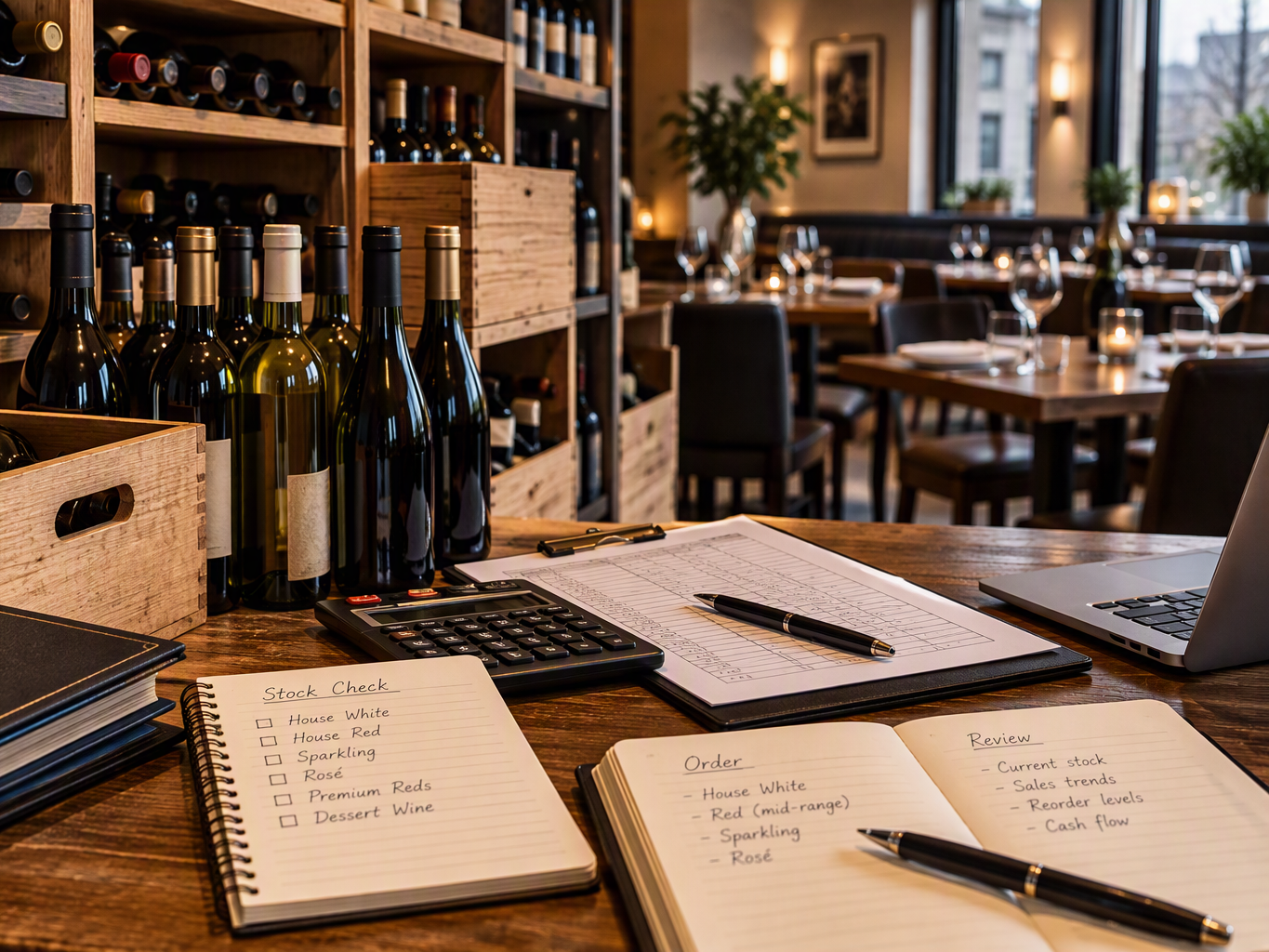
A simple process works best:
1. Count Current Stock
2. Review Sales from the Previous Week
3. Identify unusually fast-moving lines
4. Place orders based on demand trends rather than intuition.
The venues that maintain the healthiest stock levels tend to follow a consistent routine rather than conducting large stock corrections every few months.
As one hospitality principle goes:
If you don’t know what’s in your cellar, you’ll probably own more of it than you need.
Why Local Trading Patterns Matter
A restaurant in Aberdeen city centre hosting corporate dinners may see different wine trends from a rural Aberdeenshire inn serving largely local trade.
Likewise, seasonal fluctuations can look very different between a coastal venue in Stonehaven and a restaurant serving business travellers in Aberdeen.
That’s why there’s no universal answer to restaurant wine stock levels.
What matters is understanding your own sales patterns and adjusting stock accordingly.
The most profitable venues aren’t necessarily those with the biggest wine inventories. They’re often the ones carrying the right stock at the right time while protecting the cash that keeps the rest of the business moving.